
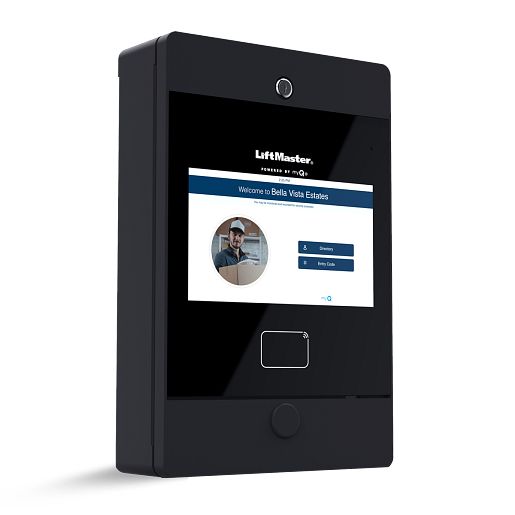
What hidden installation costs come with replacing a telephone entry system?
Hidden costs when replacing a telephone entry system usually come from power, wiring, mounting, communication service, credential compatibility, reader expansion, gate-operator inputs, surge protection, lock hardware, and backup power. The panel is only one part of the access system, so the full site layout should be checked before selecting replacement hardware.
The Front Panel Is Only Part of the Replacement
A telephone entry system looks like a single product from the outside, but the working system includes the enclosure, pedestal, conduit, power source, communication path, relay wiring, gate operator input, reader wiring, access credentials, and sometimes network or cellular equipment. The hidden costs usually appear when the new unit does not match one of those existing conditions.
A direct replacement is easier when the same model family, enclosure style, voltage, relay logic, and communication method are being preserved. Costs increase when the property changes from landline to cellular, voice-only to video, local programming to cloud management, keypad-only access to card/fob access, or one gate to multiple controlled openings.
Mounting, Pedestals, Back Boxes, and Trim Kits
The first hidden cost is physical fitment. A replacement panel may not fit the old cutout, recessed box, surface-mount box, gooseneck pedestal, hood, or conduit layout. A new telephone entry system may require an adapter plate, trim kit, back box, weather hood, pedestal change, or cabinet modification.
Measure the cabinet opening, overall enclosure size, conduit entry points, mounting-hole pattern, screen clearance, keypad position, and vehicle approach height. A panel that fits electrically can still create extra work if the faceplate, hinge swing, postal lock location, antenna position, or card-reader location does not match the old layout.
Power Supply and Transformer Changes
Another common hidden cost is power. Older telephone entry panels may use low-voltage AC transformers. Newer IP, cellular, video, and touchscreen systems may require regulated DC power, higher current capacity, PoE, or a different backup-power arrangement. AC and DC are not interchangeable, and a transformer should not be reused unless the voltage, VA rating, polarity, connector style, and load capacity match the replacement system.
Accessory loads matter. A card reader, keypad backlight, camera, cellular module, relay board, request-to-exit device, electric strike, maglock, or network device may need its own properly sized power supply. The entry panel’s transformer should not be assumed to power every device in the access-control chain.
Communication Service Costs
Replacing an older landline telephone entry system can create communication costs that were not part of the old setup. If the property is moving to cellular, verify cellular hardware, antenna placement, carrier requirements, signal quality, activation, and account requirements. If the system is internet-based, verify Ethernet, Wi-Fi reliability, router access, PoE switch capacity, firewall settings, cloud account needs, and whether the network equipment has backup power.
VoIP and digital phone service may also require testing. Some older entry systems rely on analog dial tone, DTMF tone recognition, ring voltage, and disconnect behavior. A digital adapter may allow voice calls but still fail to pass the gate-release tone correctly.
Wiring, Conduit, and Surge Protection
Old wiring is often the most expensive surprise. Underground conduit may hold water, phone cable may be corroded, relay pairs may be spliced poorly, and common wires may have high resistance. Replacing the front panel will not correct damaged wiring between the entry system and gate operator.
Surge protection and grounding should also be reviewed. Telephone lines, low-voltage power, Ethernet, reader wiring, long relay runs, and gate operator wiring can all be affected by lightning and surge events. In storm-prone areas, weak grounding or missing surge protection can shorten the life of a new system.
Credential and Reader Compatibility
If the existing site uses cards, fobs, remotes, PIN codes, or reader modules, credential migration can add cost. A new telephone entry system may not support the old card format, facility code, bit format, reader protocol, or remote receiver style. Some systems require Wiegand readers, OSDP readers, expansion modules, specific receiver outputs, or a new credential database.
For multi-tenant properties, the cost is not only hardware. Resident names, phone numbers, PIN codes, card numbers, schedules, access groups, administrators, and deleted credentials may need to be rebuilt or imported into the new platform.
Gate Operator and Door Hardware Interface Costs
A telephone entry system usually opens a gate through relay contacts, commonly using common and normally open terminals. If the new system controls multiple gates, a pedestrian gate, an electric strike, a maglock, or elevator relays, it may need additional relay boards, lock power supplies, request-to-exit devices, door contacts, fire-release wiring, or separate access-control modules.
Do not assume every output can be tied into the same open input. A visitor relay, keypad relay, receiver output, free-exit loop, safety loop, and reverse loop may all interact with the gate operator differently. Misplacing those signals can cause hold-open problems, nuisance reversing, failure to close, or safety-related faults.
Technician’s Corner
South Florida Moisture Can Turn a Simple Swap Into a Wiring Job
Humidity, salt air, rain, and sprinkler exposure can corrode terminal strips, phone-line splices, reader wiring, antenna fittings, and low-voltage power connections. If the old system failed during rain, budget for wiring and sealing checks, not only the panel.
Cellular Upgrades May Need Antenna Planning
A cellular-ready entry system still needs usable signal at the actual cabinet. Metal enclosures, concrete walls, landscaping, and gate structures can reduce signal. Antenna placement may become part of the replacement plan.
Video Adds More Than a Camera
Video telephone entry may require better power, stronger networking, more bandwidth, different mounting height, glare control, lighting review, and cloud or app setup. A voice-only replacement and a video-access replacement are not the same project.
Battery Backup Must Cover Every Required Device
A gate operator battery backup does not automatically power the entry system, modem, router, cellular module, PoE switch, card reader, receiver, lock supply, or loop detector. Outage performance depends on the entire chain.
Before You Match This Hardware
- Verify the existing model number, board number, enclosure size, and mounting style.
- Confirm voltage, AC/DC type, VA or amp rating, polarity, connector style, and backup-power needs.
- Identify the communication method: landline, VoIP, cellular, Ethernet, Wi-Fi, SIP, or cloud platform.
- Measure the pedestal, recessed box, surface box, hood, conduit openings, and faceplate dimensions.
- Count users, phone numbers, PINs, cards, fobs, remotes, access groups, and administrators.
- Confirm reader format, receiver frequency, credential type, and expansion-board requirements.
- Verify relay outputs, gate operator terminals, lock power, loop inputs, safety inputs, and door hardware.
- Inspect grounding, surge protection, wet conduit, corroded terminals, and long wire runs.
Related Technical Categories
- Telephone Entry Systems
- Cellular Access Control Equipment
- Access Control Keypads and Readers
- Access Control Power Supplies
- Gate and Garage Remote Controls
- Radio Receivers
- Vehicle Detection and Loop Detectors
- Gooseneck Pedestals and Mounting Hardware
Final Budget Rule
The hidden cost of replacing a telephone entry system is usually the hardware around the panel: power, mounting, wiring, communication, readers, relays, locks, credentials, grounding, and backup power. Before selecting replacement hardware, verify model number, part number, voltage, frequency, connector type, credential format, communication path, relay logic, enclosure fit, and gate operator generation.
Tagged Products


